Sales: +91 9600 70 3224
- Support


IP, device, location and time on every request, applied by group or role.
Contextual access control adds the conditions around the credential: which network the request came from, whether the device is one you know, where in the world it is, and whether it came at an hour you'd expect it. Each condition applies per group or per role, so the rules that fit finance are not the rules the field team has to live with.
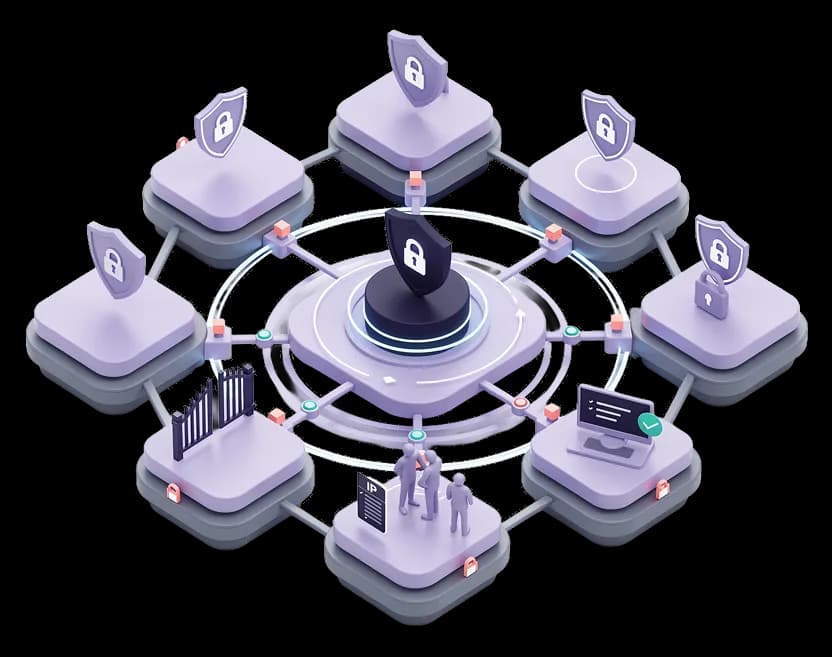
Contextual access control evaluates the circumstances of an access request alongside the identity making it. Identity answers who is asking. Context answers whether these are the circumstances in which that person is permitted to ask. Both have to pass before access is granted.
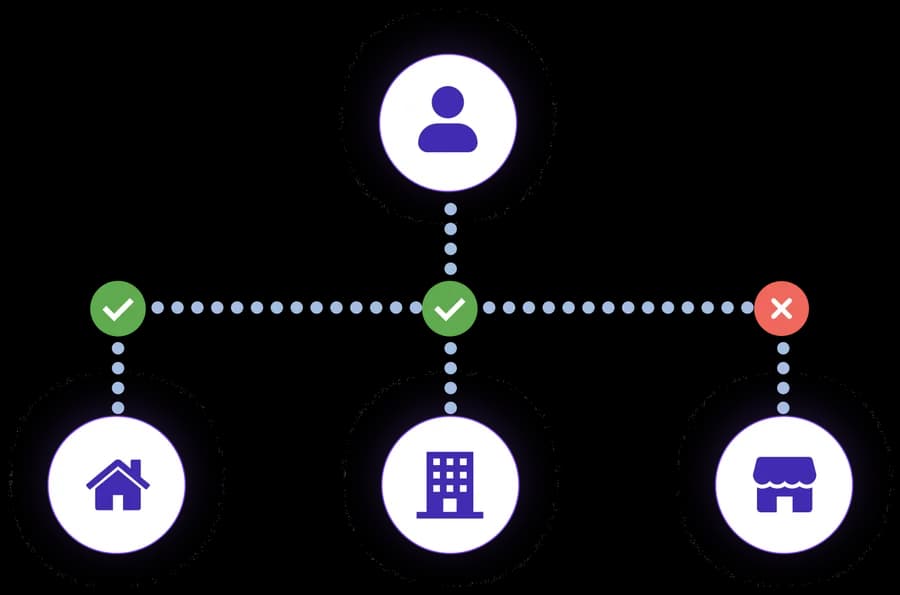
Permit or deny by source IP range, which is how an application becomes reachable only from the office network or only through your VPN. It is the most absolute of the conditions, which makes it right for the systems that should never be reached from anywhere else. Geo-location works at a wider grain, gating on where the request originates, which covers the countries you operate in and the ones you do not.

Restrict access to devices you know: registered, compliant, or company-owned. This is what stops a valid credential working from a personal laptop, and it is where IAM meets the device posture UEM and MDM are already reporting. Time windows sit alongside it, allowing access only inside defined hours, which matters for roles that have hours and for accounts that have no business being active at three in the morning.

All four conditions apply per user group or per role. A rule strict enough for privileged accounts would stop everyone else working, so the same condition set is applied at different strictness to different groups.