Sales: +91 9600 70 3224
- Support


Every login and session tracked, risk and audit dashboards, and logs built to be shown to an auditor.
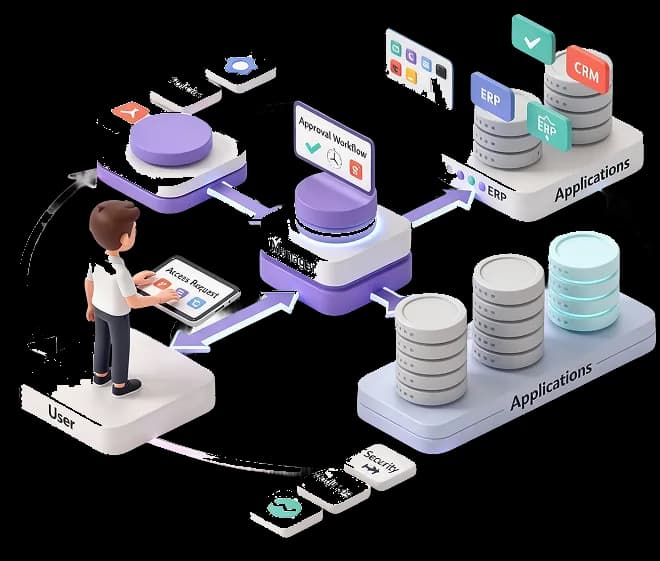
Every access decision Akku makes is recorded as it happens: the successful sign-ins and the failed ones, which user reached which application, when, from where, and which authentication factor they used. It sits in a single pane of glass rather than in five product logs you correlate by hand, and the logs are tamper-evident, so what you show an auditor is evidence rather than an assertion.

Identity and access monitoring is the record of who authenticated, what they reached, and under what circumstances. It exists for two different readers: the administrator asking what happened last night, and the auditor asking to be shown that the control has been working for the last six months. The same records answer both, which is why monitoring and audit reporting are one capability rather than two.

Successful and failed login attempts are both captured, with the user, the application, the timestamp, the location and the authentication factor used. Session and application activity is tracked alongside them, so the trail runs from authentication through to what was reached instead of stopping at the front door. Failed attempts matter as much as successful ones: a run of them against one account, or the same credential failing across twenty applications in a minute, is the pattern nobody sees in a log that only records what worked.
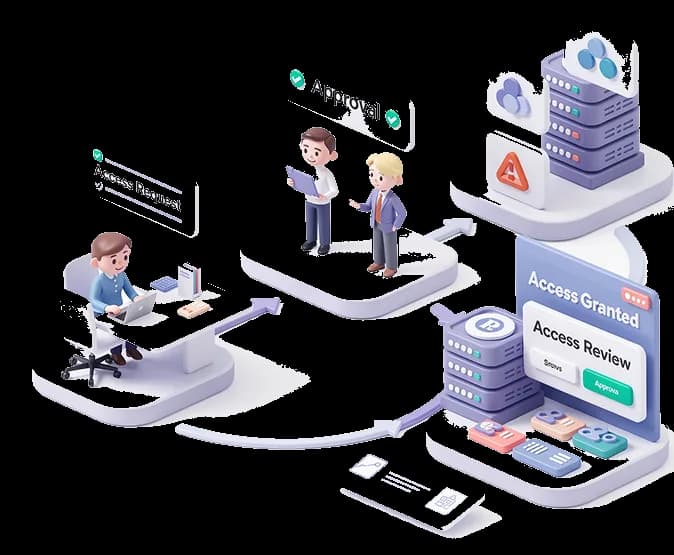
Risk dashboards surface what needs attention now, with the audit-relevant events raised rather than buried among routine sign-ins. Audit dashboards answer what happened over a period, which is the shape an auditor's question takes. Both draw on the same records, so the answer an administrator gets at 9am and the answer an auditor gets six months later come from the same place and do not have to be reconciled.
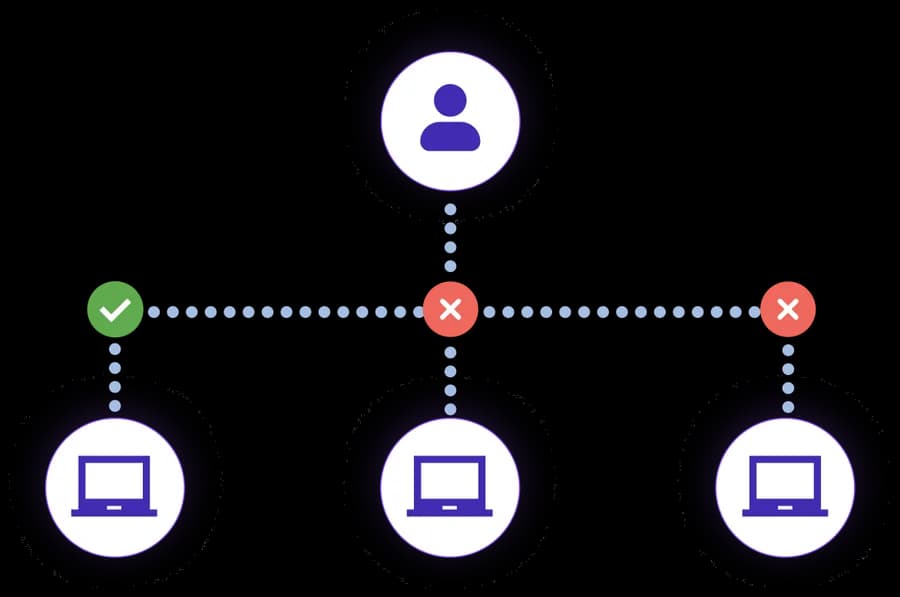
Logs are tamper-evident by design, which is what makes them usable as proof rather than as a report someone could have edited. Verifiability is the property being claimed here: not that the records exist, but that their integrity can be demonstrated. Every access decision Akku makes leaves one, and access to the logs themselves is governed like any other access.
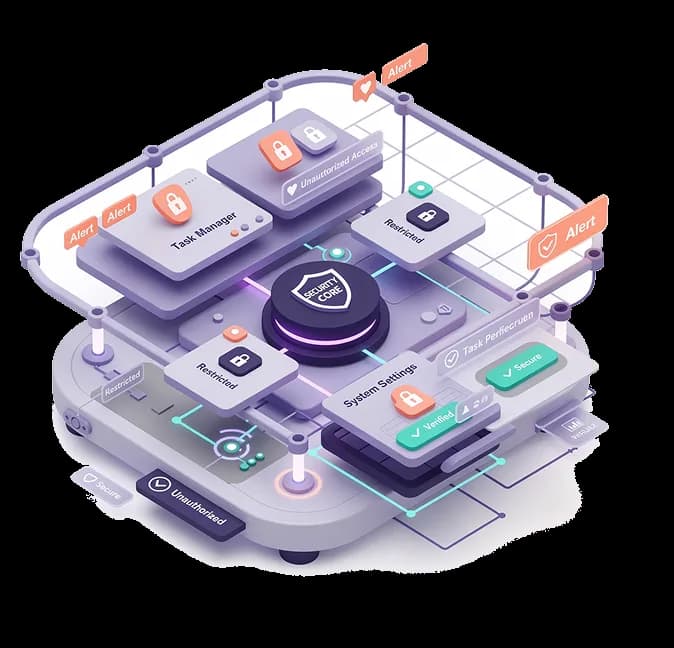
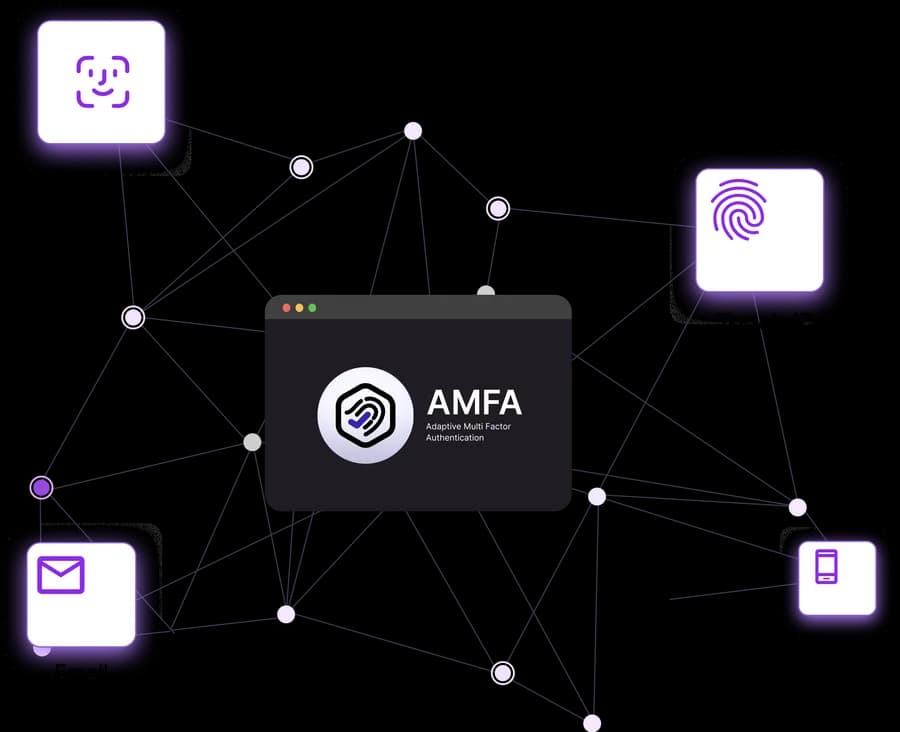
MFA prompts are visible per factor, so you can see which methods are being used and which are being avoided. That feeds a practical decision: the factors people reach for can be prioritised in enrolment and in the step-up flow, and the ones nobody uses do not need supporting indefinitely.
Reports run automatically on a schedule, so the evidence for a given period exists before anyone asks for it. Where a framework or an auditor wants a specific format, bring your own report and run it against the same records. Nothing has to be assembled by hand for a request that arrives twice a year.