Sales: +91 9600 70 3224
- Support


Protect the systems you build on, and everything around them.
A product company's engineers reach the production estate its customers run on. A services firm's engineers reach a client's cloud accounts and applications. Around them sits a business like any other: sales, marketing, finance, support, all on SaaS, all hiring and losing people. The access problem is both halves, and the half that gets neglected is usually the one without engineers in it.
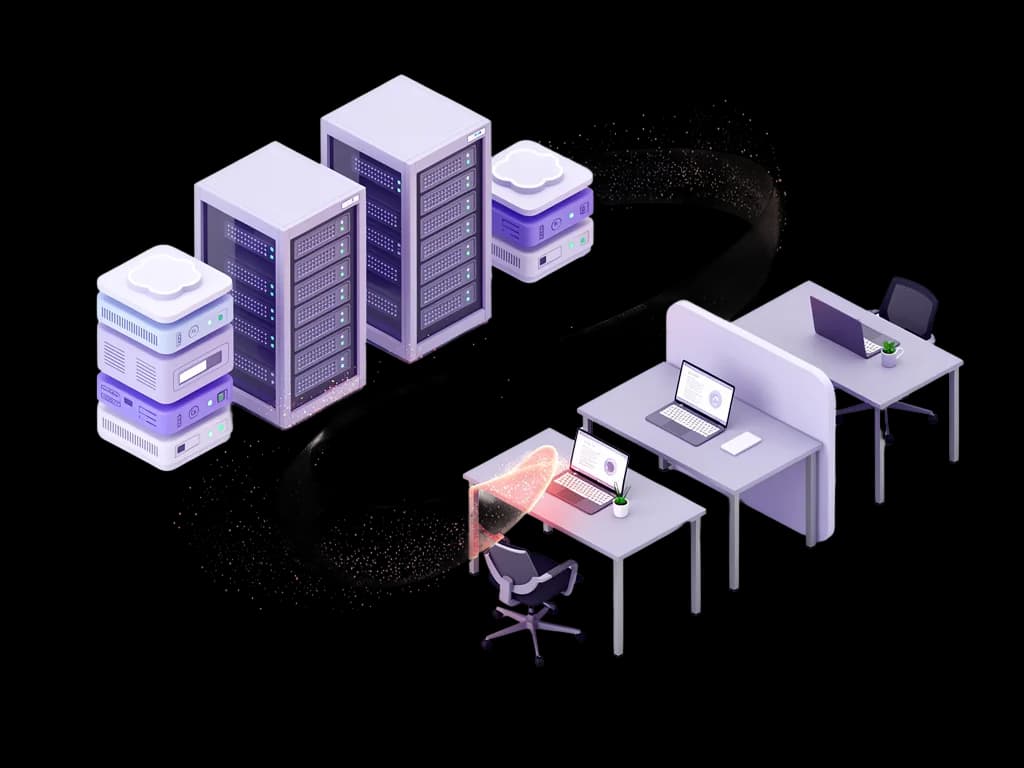
Sales runs the CRM, finance runs the accounting system, support runs the ticketing platform, and everyone runs Microsoft 365 or Google Workspace. Single sign-on across all of it means one identity and one authentication step, with MFA that escalates when a request looks unusual rather than challenging every login. When someone joins, entitlements come from their role. When they leave, one action removes them everywhere rather than in the four systems somebody remembers.
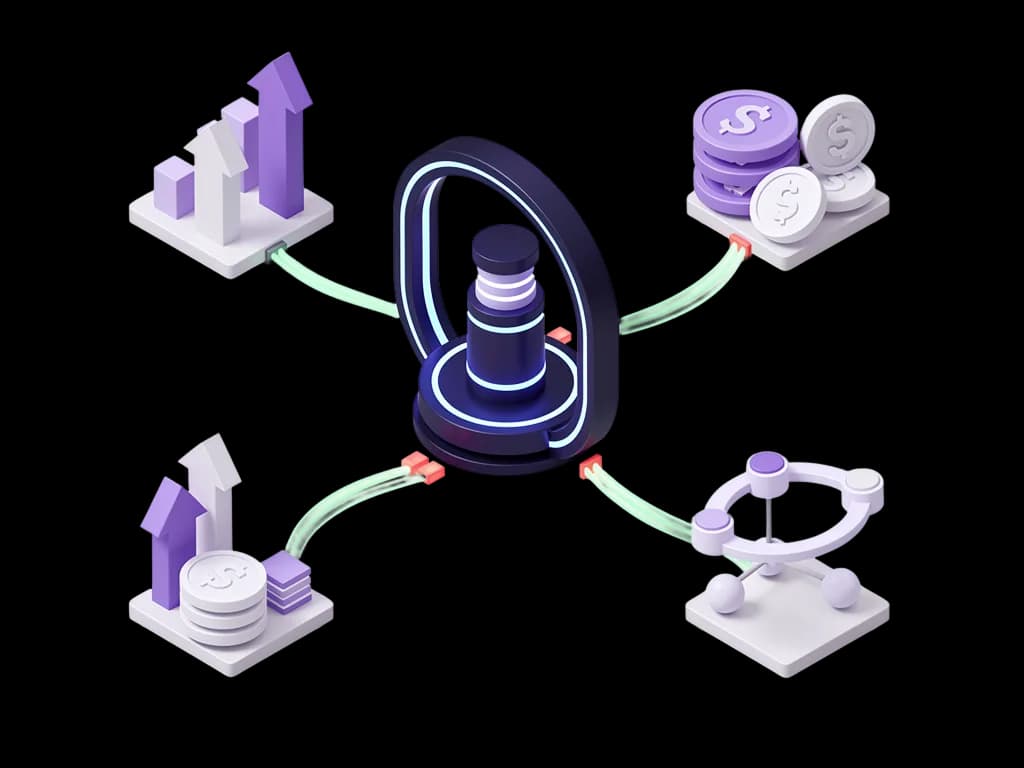
Entitlements sit on the role rather than the person: platform engineer, support engineer, someone on a named client engagement. Moving between teams re-provisions to the new role instead of adding to the old, which is the stage where access accumulates in a business that promotes and reorganises often. The segregation of duties engine blocks the combinations you have declared incompatible, including someone holding both sides of a deployment they authored.
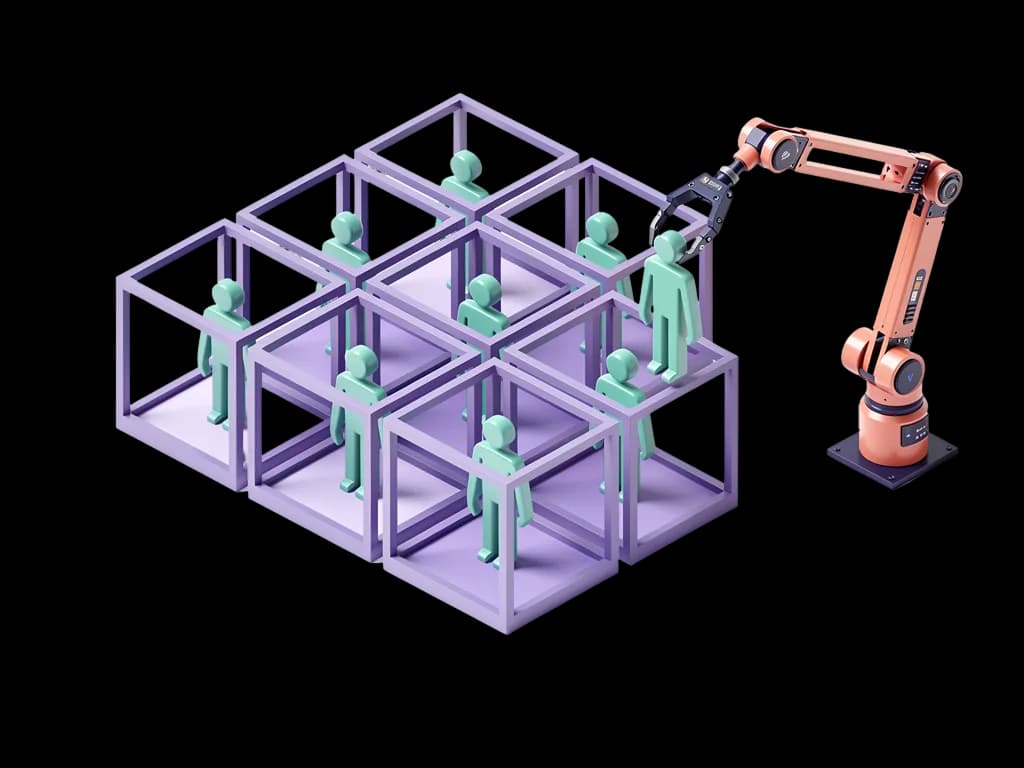
Production access granted at two in the morning is rarely taken back. A contractor joins for a migration that finishes. An engineer moves from platform to product and keeps both sets. Akku grants privileged access for one approved session and revokes it at the close, so between sessions there is nothing to inherit. Where the work needs longer, a just-in-time window carries an expiry. Approval routes to whoever owns the system, with the reason attached, and escalates on the SLA you set.
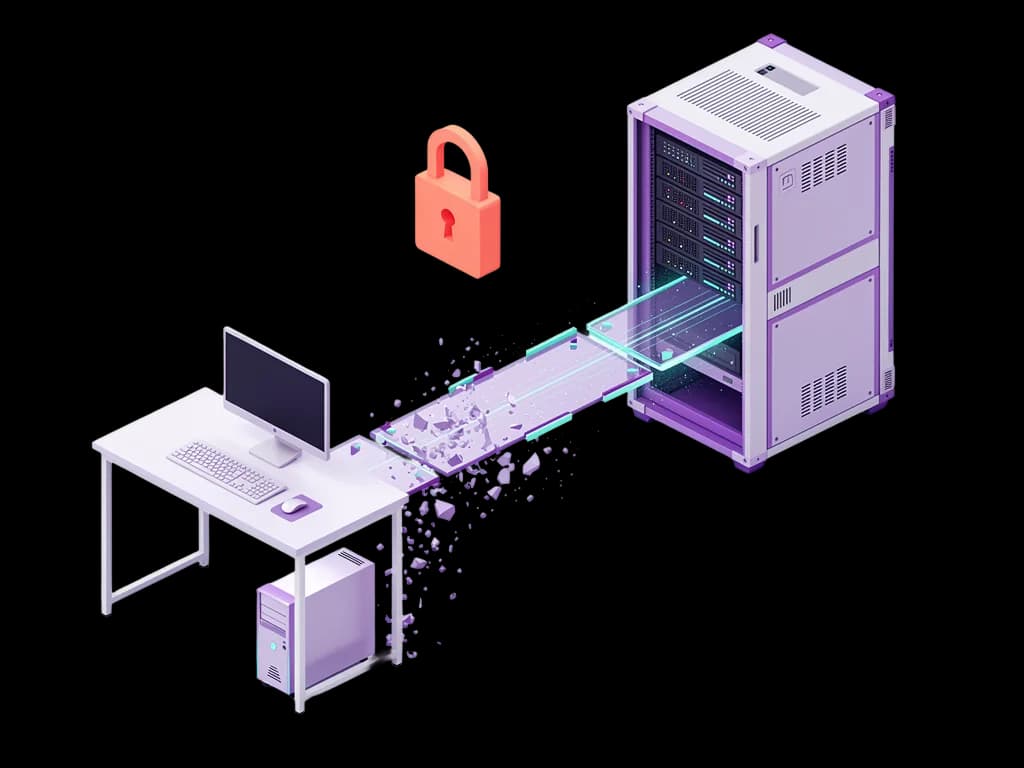
Detection runs against commits, CI pipelines and container images, and blocks credentials and customer data before they land. A key caught at commit time costs one file edit. The same key found after it has been pushed, built and shipped inside an image is a rotation, a rebuild, and a question about who pulled that image in the meantime.
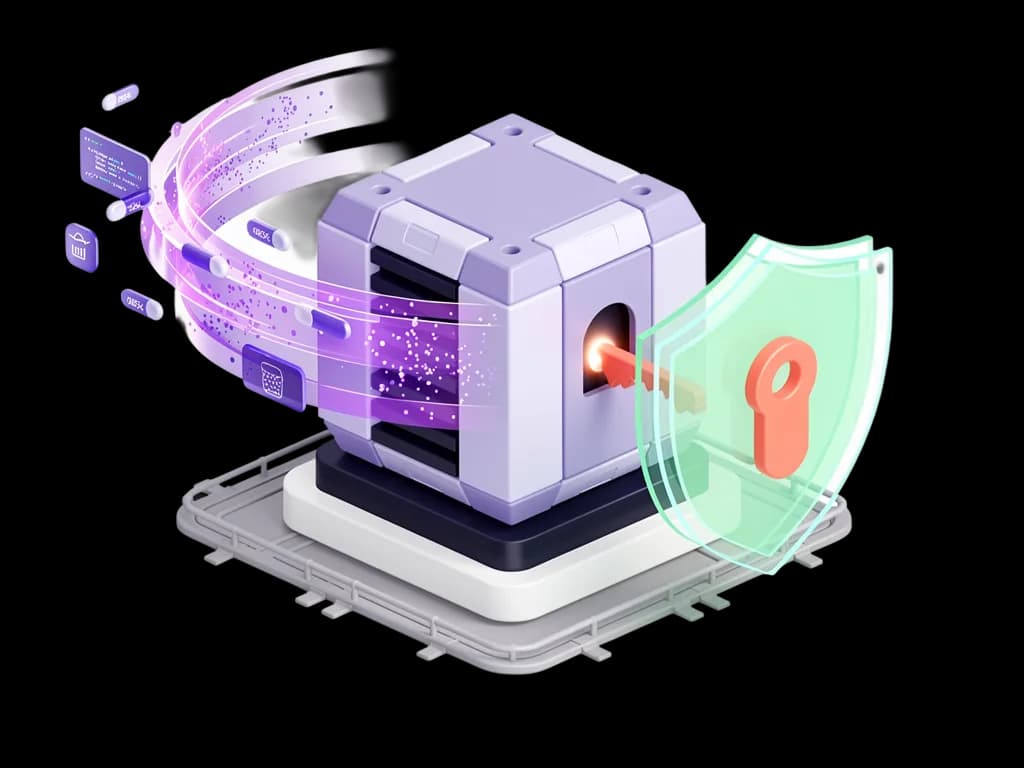
Support exports a customer list to investigate a ticket. An analyst pulls production data into a spreadsheet. Akku indexes your own records as fingerprints and detects them wherever they move: an email attachment, a browser upload, a USB stick, a cloud folder shared with a link. Which routes are watched and what happens on a match are yours to set, and it starts in monitor-only so you see the traffic before anything is blocked.
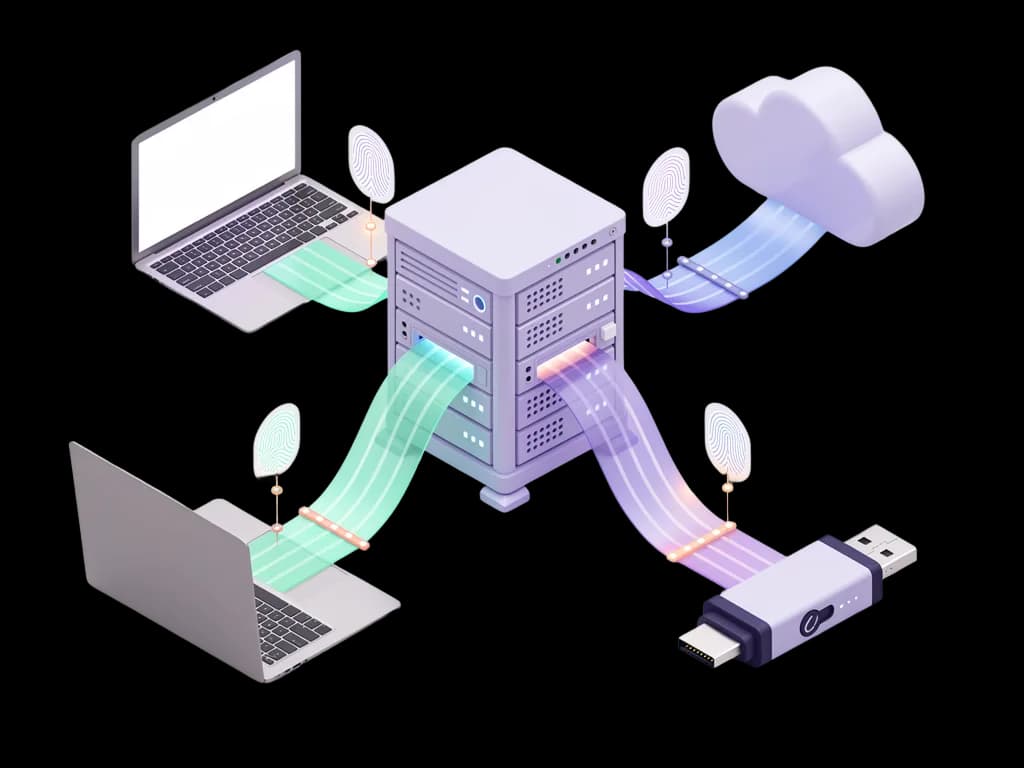
Enterprise buyers audit their vendors before they sign, and increasingly that means SOC 2 Type II with an observation window and dates the auditor picks afterwards. Controls that run continuously produce their own evidence continuously. Akku covers 34 of the 61 Trust Services Criteria, concentrated in CC6, the logical access series, and 56 of the 93 ISO 27001 Annex A controls, and holds both certifications itself.