Sales: +91 9600 70 3224
- Support


REST APIs, SDKs and pre-built connectors, so identity is embedded in your applications rather than bolted beside them.
A customer who signs up on your website and then opens your app should be the same customer, with the same consent state and the same authentication behind them. Akku is built to be embedded rather than visited: identity, sign-in and consent are available to your applications through APIs and SDKs, so the experience belongs to your product and the identity layer sits underneath it.
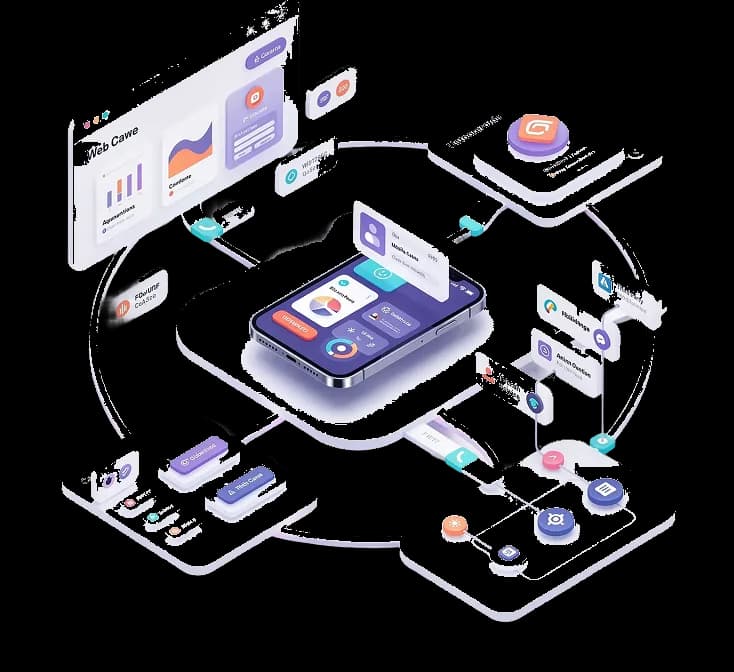
Omnichannel identity means one identity record serving every channel a customer uses: web, mobile, partner portals, whatever comes next. The alternative is an account per channel, which is how a customer ends up with three profiles and you end up with three consent states that disagree.

Documented REST APIs cover the full identity lifecycle for anything you are building yourself. Developer SDKs shorten the work where a supported language and framework fit. And pre-built connectors onboard common applications without custom integration at all. Which of the three you use is a question of how much control you want over the experience.

The same authentication and the same consent state apply across every integrated channel. A customer who withdrew consent on the website has withdrawn it in the app, because there is one record rather than one per channel.