Powerful data privacy and enhanced productivity for a leading KPO service provider
One of India’s largest BPO/KPO organizations needed to ensure the security of the highly sensitive healthcare data under their management.
Allow your users to access multiple applications securely with a single login, eliminate multiple passwords, reduce password fatigue and risk, and improve security by centralizing user access management.
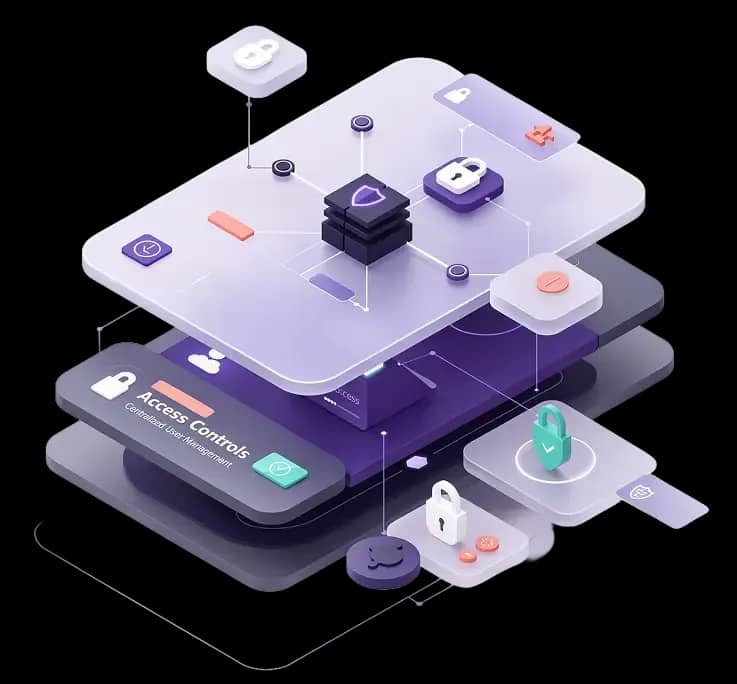
Single sign-on (SSO) enables users to authenticate once and access multiple applications without repeated logins. At the heart of Akku’s SSO solution is its ability to function as a centralized identity provider that verifies the user’s identity and passes authentication tokens to integrated applications, enabling seamless and secure access across cloud, on-premise, and legacy platforms.
SSO improves convenience by reducing password overload, enhances security through centralized management, and increases productivity with faster, simplified access to needed resources.
Deploy a unified identity and access management platform to which all your applications can federate authentication through standard identity protocols such as CAS, SAML, OpenID Connect, and WSFed. This centralizes access management, simplifies app integrations, reduces the risk of authentication silos, and delivers a consistent, secure login experience across cloud and on-premises applications for both users and administrators.
Provide a seamless login experience by extending single sign-on (SSO) to desktop devices across the enterprise. This reduces repeated sign-ins, minimizes password fatigue, and streamlines daily workflows. By enabling consistent authentication on desktops, organizations enhance user productivity while maintaining centralized control and better visibility into access activity across all user endpoints.
Enable a modern SSO-based login process even for older legacy applications through secure credential replay. This approach empowers you to avoid costly and risky modifications to legacy application code while extending centralized authentication. Users benefit from a consistently positive login experience across both modern and legacy systems, while administrators are able to maintain control and reduce complexity without disrupting existing operations.