
Powerful data privacy and enhanced productivity for a leading KPO service provider
One of India’s largest BPO/KPO organizations needed to ensure the security of the highly sensitive healthcare data under their management.
Define the conditions under which users and groups can access your organization’s apps and data with Akku’s contextual access control. Reinforce security by continuously checking these context signals before granting or maintaining access.
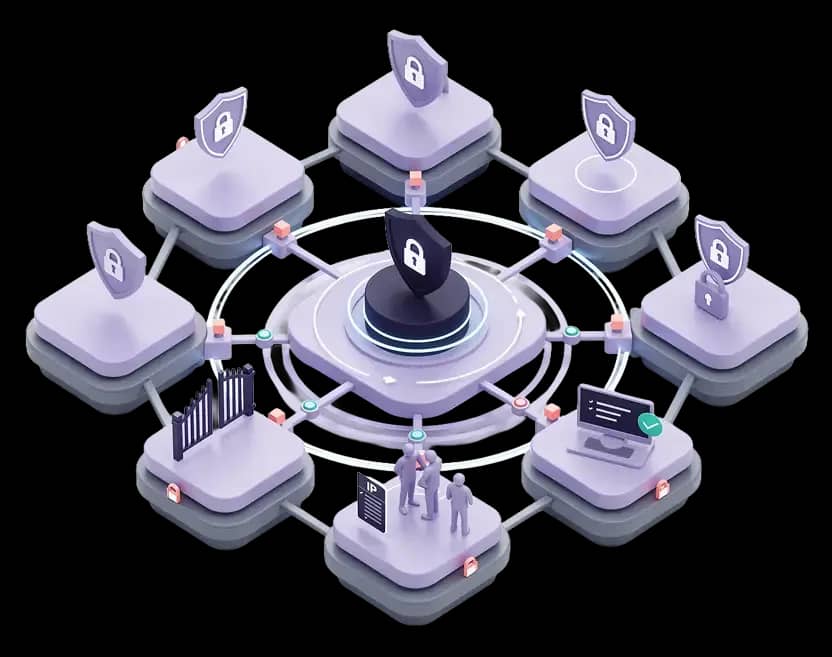
Contextual access control is a security approach where user access is granted or denied based on real-time context - such as where the user is connecting from, which device is used, when access is requested, and other risk indicators. Instead of static rules, it applies adaptive policies that change depending on risk level, helping enterprises secure modern, distributed work environments.
Empower administrators to create whitelists of approved IP addresses, permitting access to your organization’s applications only from authorized locations such as offices or users' homes. By ensuring that users can only access apps and data from approved locations, organizations gain stronger control over access privileges and enhance overall security without compromising legitimate user access and convenience in a hybrid work environment.
Ensure that only devices registered against a specific user profile can access that user's account. By utilizing Akku’s agent, you can collect the serial number and BIOS UUID from each user’s device and associate these details with each user profile. Akku verifies both user and device details during login attempts, enabling you to restrict access from unrecognized devices.
Enable administrators to define specific time-based access restrictions for applications. Using this control, access is permitted only during approved time windows and automatically restricted outside these predefined periods. This strengthens security by limiting exposure during off-hours, reducing the risk of misuse, and giving organizations greater control over when users can access critical applications and data.
Empower administrators to define precise geographic coordinates based on which to enforce location-based access restrictions. By allowing access only from designated locations and blocking requests from outside approved areas, organizations prevent unauthorized access, reduce risk from malicious actors based outside designated locations, and gain tighter control over how and where critical applications and data can be accessed.
Put high-risk or non-compliant users and devices into a restricted access zone with limited permissions. This group of users is blocked from accessing critical applications and sensitive data, until they meet required security conditions. This approach contains potential threats, reduces exposure, and ensures that users and devices regain full access only after complying with defined security policies.