Sales: +91 96000 06934
- Support


Not every administrator needs access to every system. Not every developer needs the same server permissions as your DBA. Not every contractor should have the same privileges as a full-time employee.
Role-Based Access Control ensures that privileged users receive only the permissions their role requires, and no more. Access is assigned by role, enforced consistently, and updated automatically when roles change.
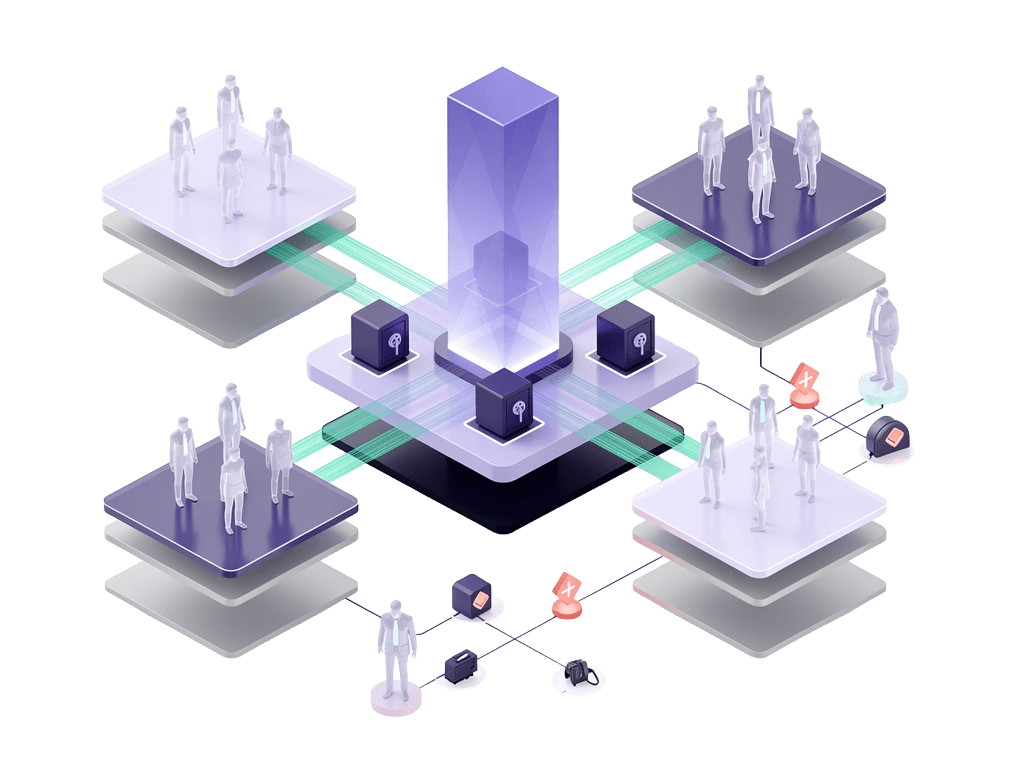
In most organisations, privileged access is assigned individually and informally; a user needs access to a system, someone grants it, and it stays granted. Over time the accumulation of individually assigned permissions creates an access landscape that nobody fully understands, that doesn't reflect current roles and responsibilities, and that is almost impossible to audit cleanly.
Role-Based Access Control replaces ad hoc individual assignment with a structured model. Access is defined at the role level; what permissions does this role require, across which systems, and assigned to users by virtue of their role. When the role changes, the permissions change with it. When the user leaves, the role is removed and the permissions go with it.
The result is an access landscape that reflects the organisation's actual structure, that can be audited clearly, and that doesn't accumulate permissions over time.
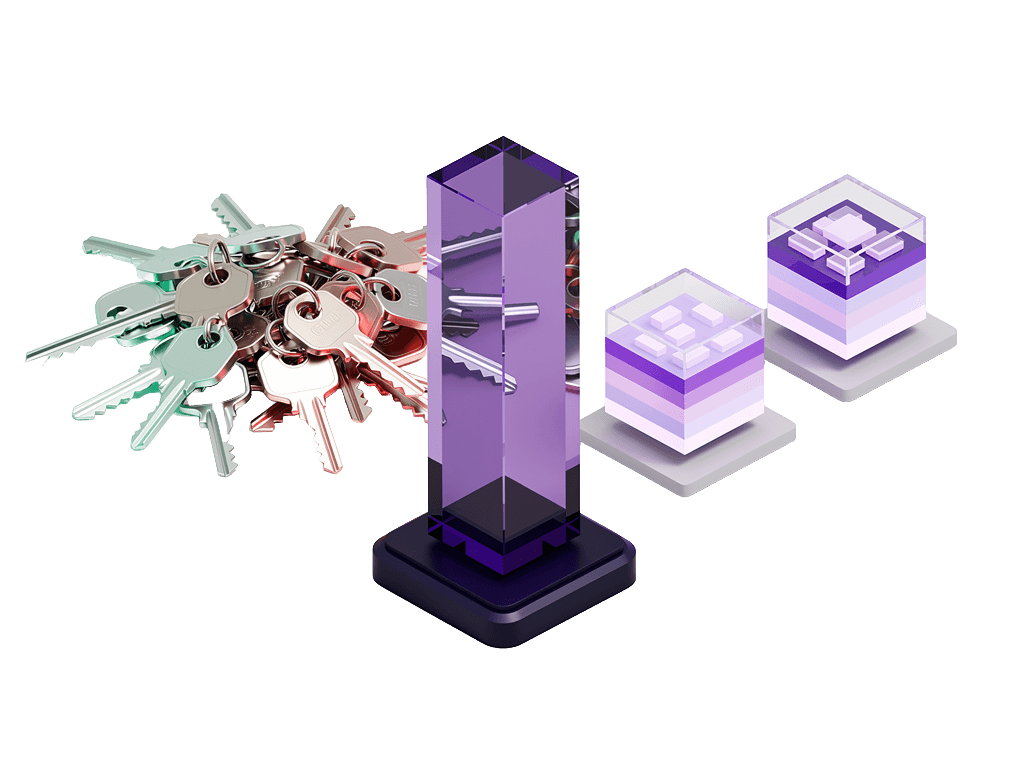
Structured permissions, enforced automatically.
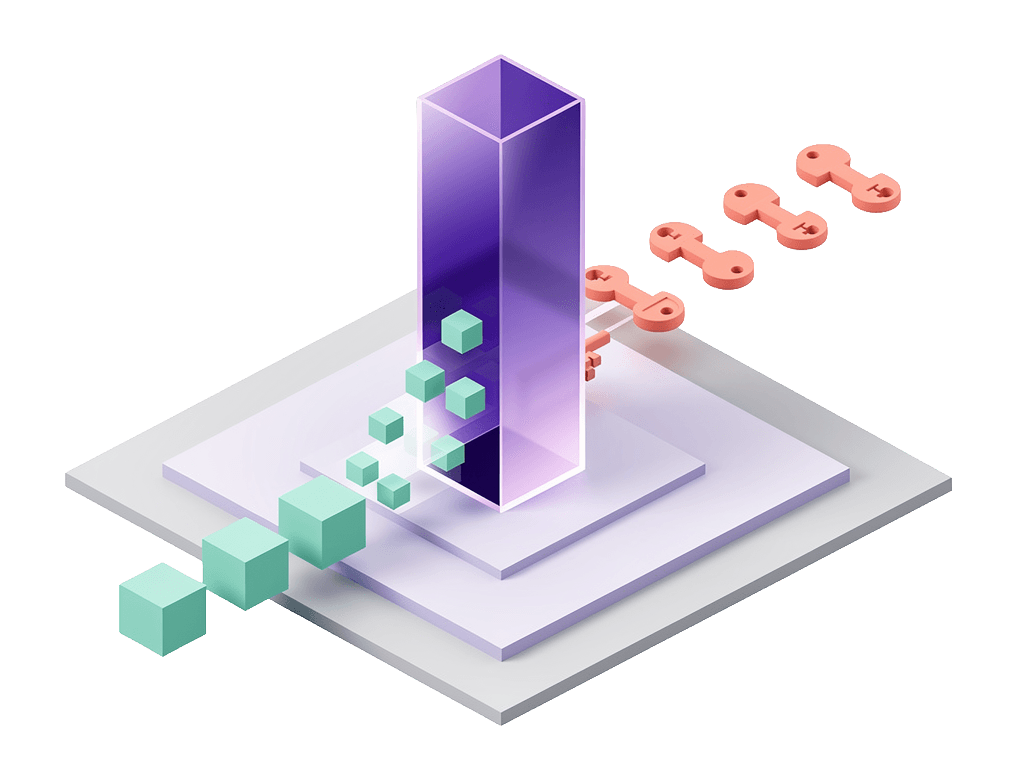
Privileged access permissions in Akku PAM are assigned based on user roles and attributes; department, team, seniority, location, or any other attribute relevant to your access policy. A user's permissions are determined by their role in the system, not by individual decisions made at the point of each access request.
This means access policy is defined once at the role level and applied consistently to every user who holds that role. There is no variation between users in the same role, no permissions granted informally outside the role model, and no access that isn't accounted for in the role structure.
RBAC determines which systems and resources a privileged user can access. Granular Access Control determines what they can do once inside: which specific commands they are permitted to run on each SSH server.
Together they enforce least-privilege at two distinct levels: the access level and the command level. A user's role defines the boundary of which systems they can reach. Granular Access Control defines the boundary of what they can do within those systems.
Learn about Granular Access Control
Akku's isolated network model directly addresses requirements across:
Akku PAM is built for IT and security teams who need clear answers about how privileged access works, what the product does, and what it means for your infrastructure and compliance posture.
If you have a question that isn't covered here, please and we will be happy to address your queries.