Granular Access Control

Giving someone access to a server has always meant giving them broad access to that server. A developer who needs to restart a service technically has access to do far more; view files, run scripts, modify configurations; even if that was never the intention.

  • Define a permitted command list per user per SSH server, from the Akku Admin Console
  • Any command not on the permitted list is blocked at the point of execution
  • Applies to Linux-based SSH server environments
  • Enforced in real time during the SSH session
  • Works alongside SMART Audit Trails to log all executed commands
  • Enforces least-privilege at the command level, not just the session level

Granular Access Control changes this. Administrators define a permitted command list for each user on each SSH server. If a command is not on the list, it cannot be executed; regardless of the user's system privileges.

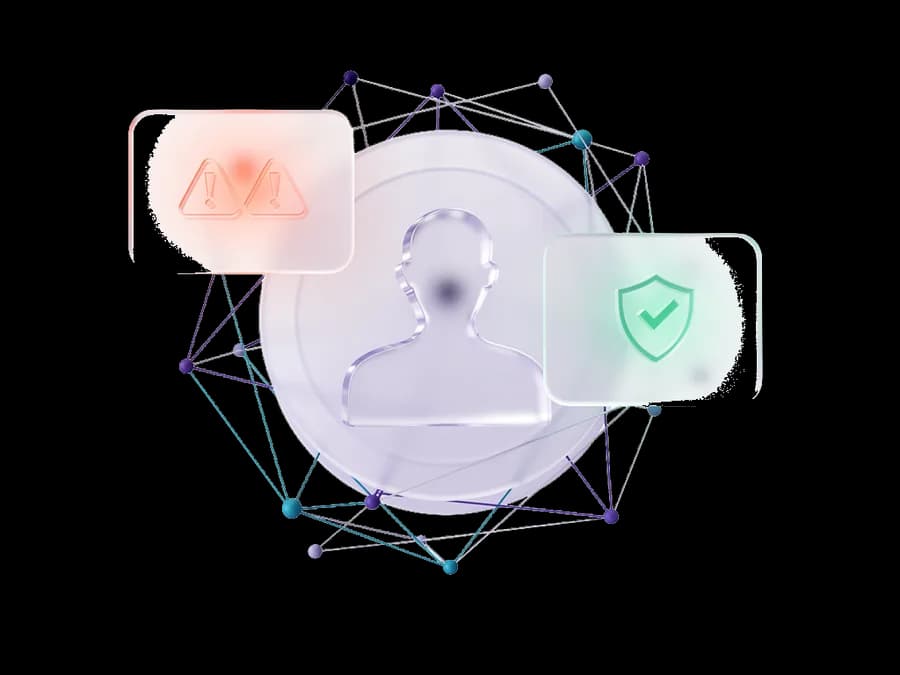
Granular Access Control command policy interface

The Problem Granular Access Control Solves

Most privileged access decisions are binary: a user either has access to a server or they don't. This works as a starting point but fails as a control, because the moment access is granted, the scope of what a user can do is effectively unlimited by the access decision alone.

This creates a persistent gap between intended access and actual access. A contractor brought in to perform a specific task has, by virtue of their SSH credentials, access to everything on that server. A junior developer given production access for a defined purpose has no technical boundary preventing them from going beyond it.

Granular Access Control closes this gap by enforcing least-privilege at the command level, which is the most granular form of server access control available. The access decision is no longer binary. It is specific, bounded, and enforced.
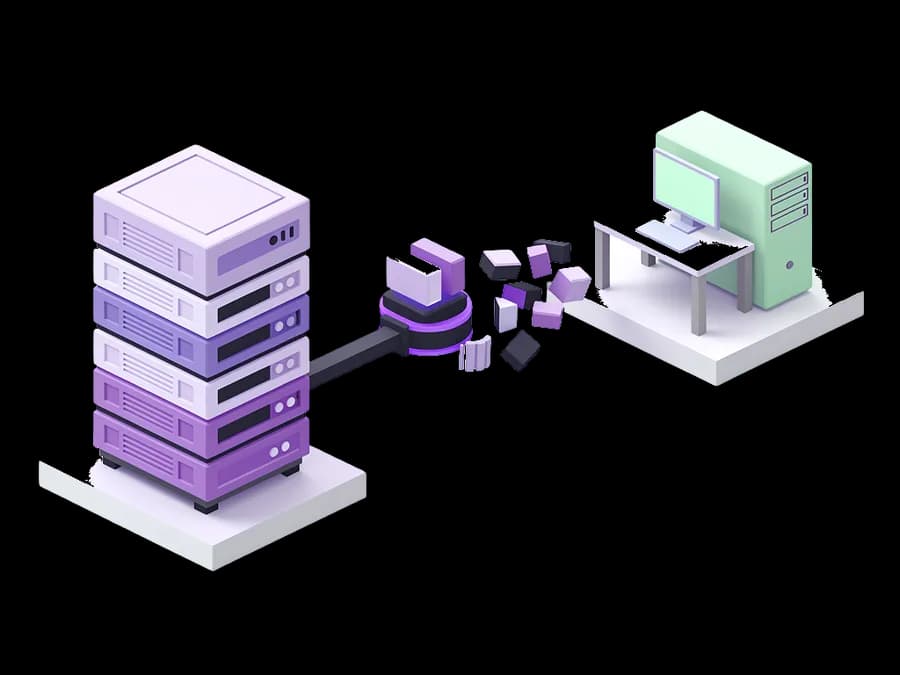
Binary vs granular access control comparison

How Granular Access Control Works

Permitted command lists, enforced in real time.

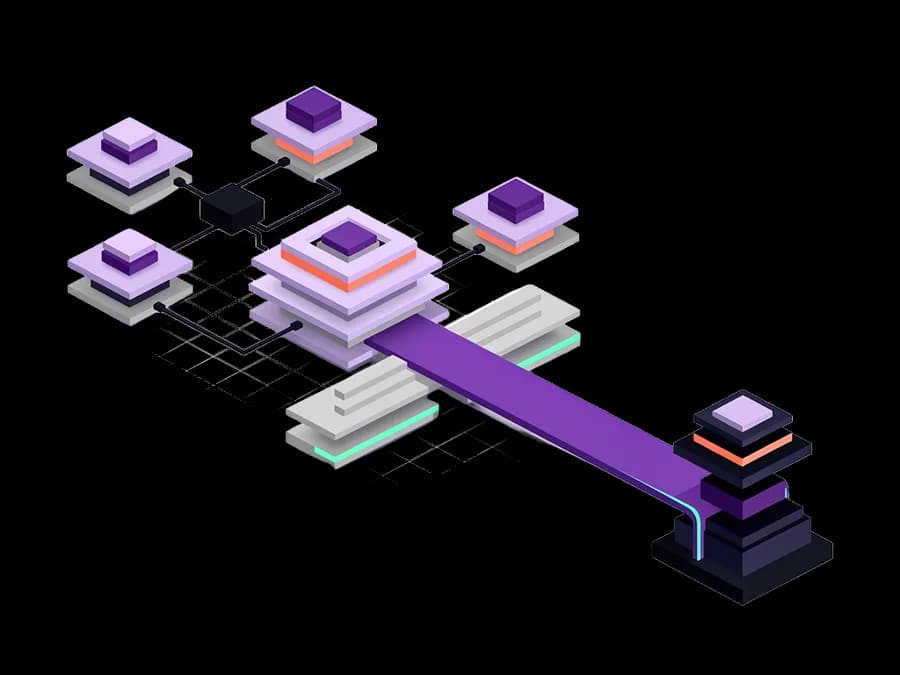
Granular Access Control command enforcement

Administrators define a permitted command list for each user on each SSH server, directly from the Akku Admin Console. The configuration is per user, per server, meaning different users on the same server can have different permitted command sets, and the same user on different servers can have different permissions.

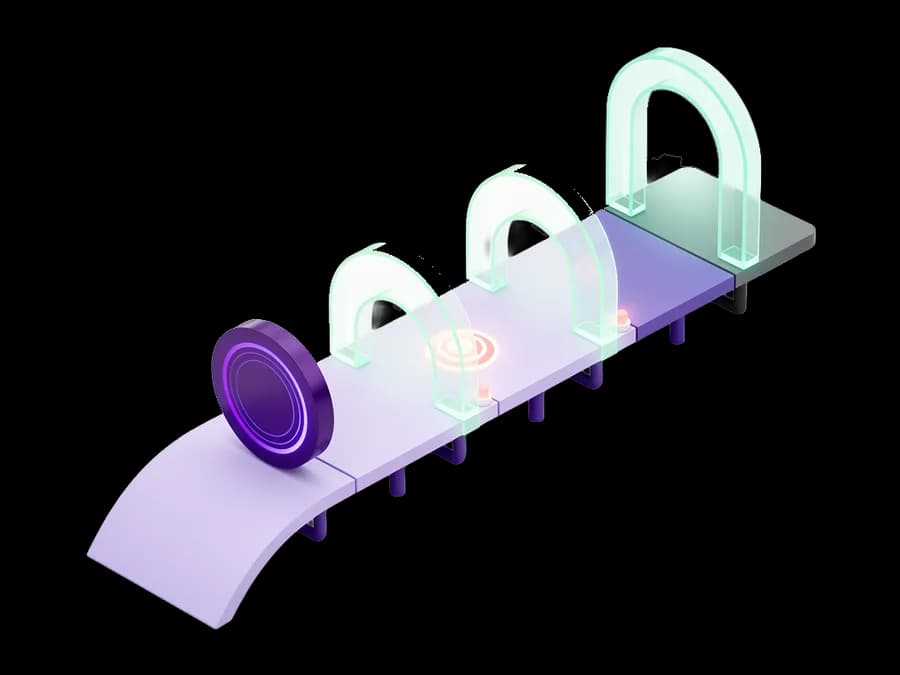
When the user opens an SSH session through AkkuReka, the command restrictions are enforced in real time. As the user executes commands, each one is checked against their permitted list. If the command is permitted, it executes normally. If it is not on the list, it is blocked at the point of execution; the user cannot run it, regardless of their underlying system privileges on the server.

This enforcement happens at the AkkuReka session layer, no changes to the target server are required, and no agent needs to be installed on the server itself.

Granular Access Control is designed to work alongside SMART Audit Trails. Every command executed is logged with a precise timestamp, creating a complete record of what the user did.

What Granular Access Control Enables

Safe delegation to contractors and third parties

External parties can be given SSH access scoped precisely to the tasks they need to perform. They cannot exceed that scope; technically, not just by policy. The permitted command list is the boundary, and it is enforced automatically.

Least-privilege enforcement at the command level

Role-based access control determines which servers a user can access. Granular Access Control determines what they can do once inside. Together they close the gap between access and authorised use.

Reduced insider risk

Accidental misconfiguration and deliberate misuse both depend on the ability to run commands beyond a user's intended scope. When that ability is removed at the session layer, the risk is reduced materially, not just by policy.

Audit evidence of scope enforcement

Compliance frameworks that require least-privilege enforcement ask for evidence, not just policy statements. Granular Access Control, combined with SMART Audit Trails, produces a logged record of every command executed; exportable as compliance evidence.

Granular Access Control and SMART Audit Trails: Together

Granular Access Control defines the boundary. SMART Audit Trails record everything that happened within it, including everything that was attempted outside it.

Together they provide two things that neither delivers alone: enforcement of the intended scope of access, and a complete, timestamped record of how that scope was respected or tested.

Granular Access Control and SMART Audit Trails together
Compliance-Ready

Compliance Coverage

Akku's isolated network model directly addresses requirements across:

DPDPAEnforcement of minimal access for users handling personal data
RBI / SEBIDemonstrable least-privilege enforcement for privileged users in BFSI environments
ISO 27001Access control and least-privilege requirements for privileged accounts
SOC 2Logical access controls and least-privilege enforcement for systems in scope
PCI-DSSLeast-privilege access requirements for systems handling cardholder data
HIPAAMinimum necessary access controls for systems processing protected health information
Frequently Asked Questions

Got questions? We have answers.

Akku PAM is built for IT and security teams who need clear answers about how privileged access works, what the product does, and what it means for your infrastructure and compliance posture.

If you have a question that isn't covered here, please and we will be happy to address your queries.

Command-level least privilege

Define exactly what users can do once they get in

Granular Access Control turns privileged access from all-or-nothing into task-specific, enforced, and fully logged access.

No credit card requiredLive in daysDPDPA compliant