Powerful data privacy and enhanced productivity for a leading KPO service provider
One of India’s largest BPO/KPO organizations needed to ensure the security of the highly sensitive healthcare data under their management.
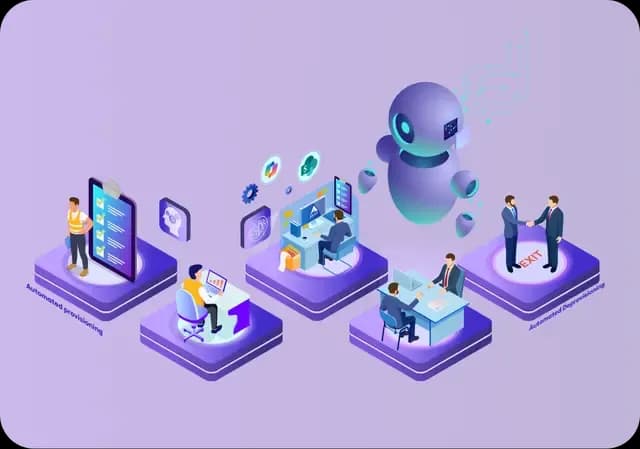
Manage user access from onboarding to exit with automated provisioning, updates, and deprovisioning, so every employee has the right access at the right time and no access is left open after they leave. Save time, avoid manual errors, and move towards a least‑privilege, zero‑trust model across your organization.
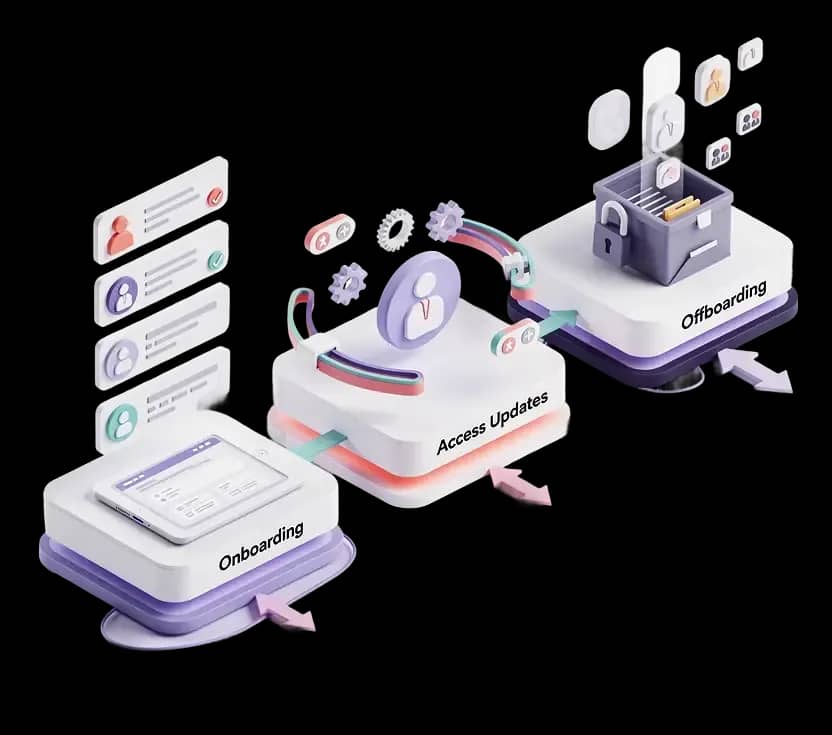
User lifecycle management (ULM) is the process of creating, updating, and removing user accounts and access as employees join, move within, and leave your organization, so each person has the right level of access at every stage and no open permissions are left behind after exit.
ULM keeps access in sync and gives you faster onboarding, fewer security gaps, and a clear, auditable record of who can do what at any point in time.
Automate onboarding for new joiners, role changes for movers, and secure offboarding for leavers at every stage of the user lifecycle. Ensure that user accounts and access can be provisioned, updated, or revoked within minutes instead of days. This reduces manual effort, minimizes errors, and significantly improves security by ensuring access always reflects the user’s current role and employment status.
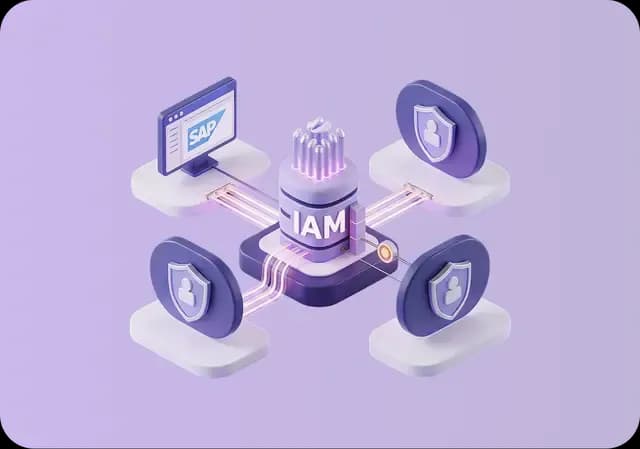
Automatically create, update, and delete user accounts across all your integrated applications, based on any changes in identities stored in Akku or any other centralized identity store. Akku uses the open, standards-based SCIM (System for Cross-domain Identity Management) protocol to keep identity data synchronized across systems. This ensures accurate, real-time provisioning, reduces the need for custom integrations, and simplifies lifecycle management, while maintaining interoperability across cloud and on-premises applications
Grant access at onboarding automatically through birthright provisioning when a new user is added to the system. This means that every user receives predefined access permissions to common essential applications and resources based on laid-down organizational policies. This ensures users are productive from day one, eliminates the need for manual access requests, and guarantees consistent baseline permissions across teams, roles, and departments.
Create and manage roles based on varying levels of privileges and access rights, and define user groups to organize users based on their job functions or common profiles. Centralized controls allow these roles and groups to be applied to manage user access consistently across integrated systems. This simplifies access management and ensures users receive appropriate permissions based on their responsibilities and organizational structure.
Automatically assign or revoke application access based on user roles and attributes. User changes resulting from promotions, transfers, or new project assignments instantly update the user’s access permissions as well. This ensures users always have the right level of access without manual intervention, reducing security risks caused by outdated privileges and maintaining alignment between identity, role, and access.